
The word boulder in English, refers to a very large rock or stone, typically one that has been worn and rounded over many years by the weather. Although any stone large than ten inches in diameter might be called a boulder, they are typically considered to be stones too large for a person to move single-handedly. Originally, boulder was used as part of the compound form, boulder-stone, a term that is still used today but that has been largely replaced by the simpler word, boulder.
Etymology of Boulder
The original compound word, boulder-stone was an attempt to Anglicise a Scandinavian word, bullerstern, a term that still exists in Swedish, meaning ‘large stone in a stream.’ The word stern means ‘stone.’ Buller, however, seems to correspond with the Swedish word buller, meaning ‘rumbling noise’ (from bullra: to roar) Presumably, then, bullerstern is a reference to the noise water makes as it flows over rocks.
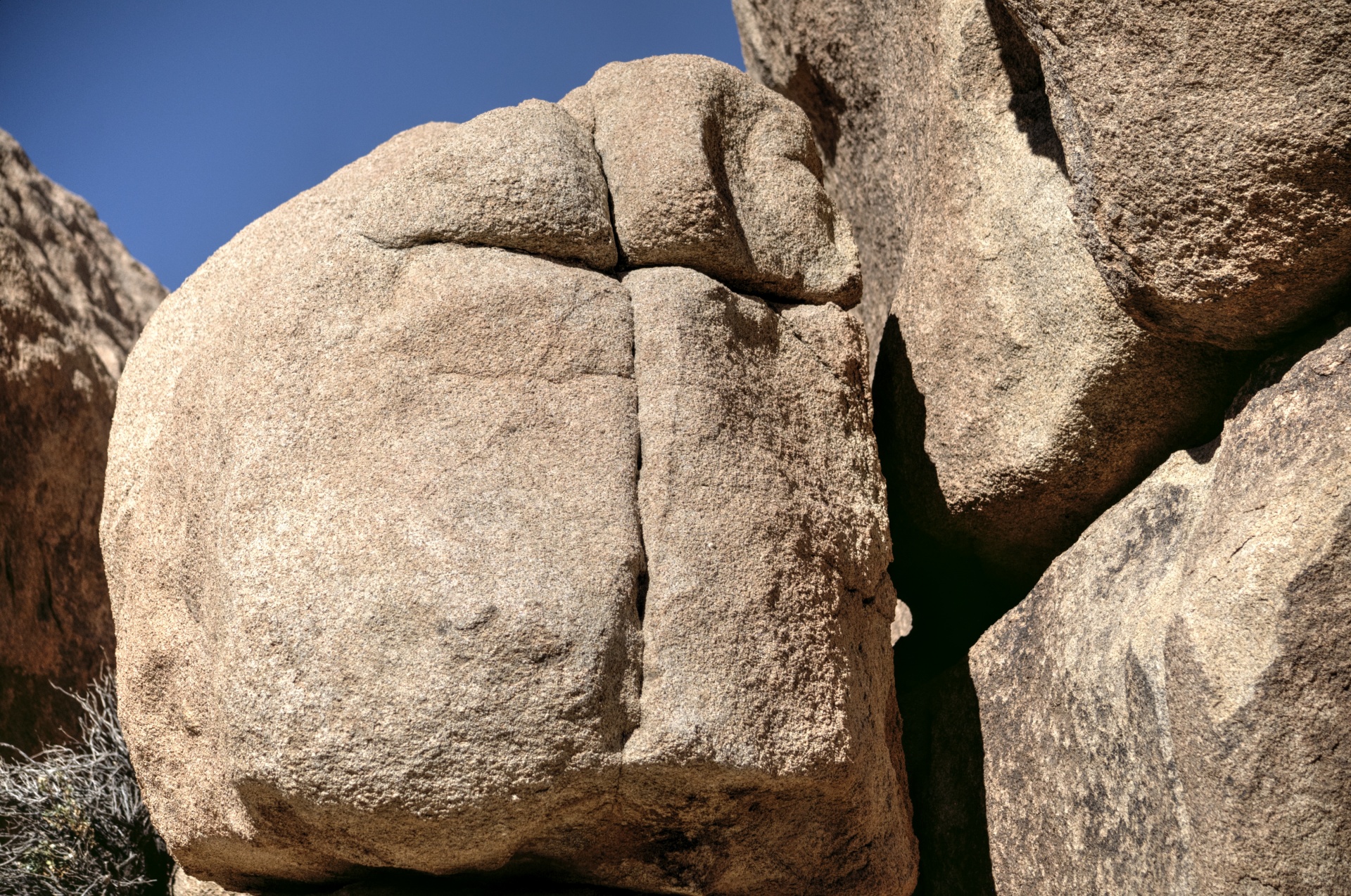
Bullerstern became the Middle-English bulderston. 1Ayto, John. Dictionary of Word Origins. Arcade Pub., 2011. However, it is also suggested that buller might refer to ‘a round object,’ coming from the Proto-Germanic bul-, ‘to blow or swell.’2 “Boulder (n.).” Etymology Online Dictionary, Etymonline.com, 25 Oct. 2017, www.etymonline.com/word/boulder.
More Etymology
- Origin of Stew In Your Own Juice(s)
- Origin of Earmark
- Etymology of the Word Invent
- Etymology of the Word Boycott
- Abecedarian Meaning